


Hair loss during menopause is one of those changes that can catch women completely off guard. You might notice more hair on your pillow, in your brush, or going down the shower drain and wonder if this is just part of getting older or something you should be concerned about.
The truth is that some hair thinning during menopause is completely normal, but knowing when to seek help can make all the difference in maintaining your confidence and hair health. Keep reading to understand what’s typical and what warrants a visit to your dermatologist, so you can take the right steps for your specific situation.
What Causes Hair Loss During Menopause?
The main culprit behind menopausal hair loss is the dramatic shift in your hormone levels. As your body produces less estrogen and progesterone, these protective hormones that once helped keep your hair thick and healthy begin to decline significantly.
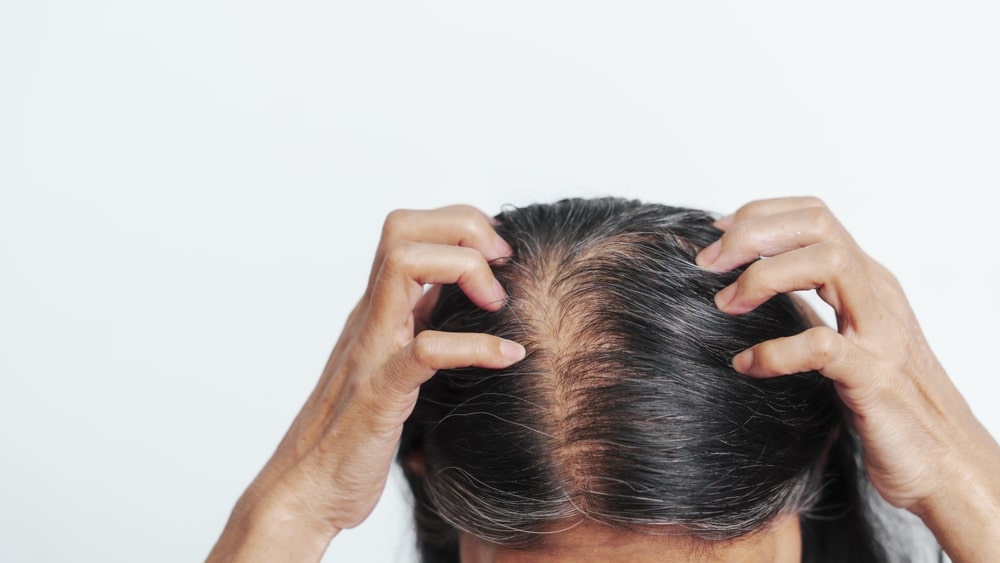
When estrogen levels drop, your hair follicles become more sensitive to a hormone called DHT (dihydrotestosterone). This hormone can shrink hair follicles, making them produce thinner, shorter hairs before eventually stopping hair production altogether.
The changes don’t happen overnight, which is why many women notice gradual thinning rather than sudden bald spots. Your hair growth cycle, which normally lasts several years, becomes shorter and less efficient during this hormonal transition.
This process typically begins during perimenopause, the years leading up to your final menstrual period, and can continue for several years after menopause begins.
How Much Hair Loss Is Normal During Menopause?
Most people naturally lose between 50 and 100 hairs per day as part of the normal hair growth cycle. During menopause, you might notice this number increases, but dramatic increases should get your attention.
If you’re suddenly losing handfuls of hair when you wash or brush it, or if you can see significantly more scalp than before, these are signs that something beyond normal menopausal changes might be happening. Normal menopausal hair loss tends to be gradual and happens over months or years, not weeks.
The key is paying attention to changes in your normal pattern. If your hair has always been thick and suddenly becomes noticeably thin within a few months, that’s worth discussing with a professional.
Warning Signs That You Need to See a Professional
While gradual thinning might be normal, certain signs should prompt you to see a dermatologist right away. Sudden hair loss that happens over weeks rather than months is always a red flag that needs professional evaluation.
Patchy hair loss or bald spots are not typical of normal menopausal changes. If you notice round patches of missing hair or areas where hair has completely disappeared, this could indicate a condition like alopecia areata that requires specific treatment.
Pay attention to your scalp as well as your hair. Itching, burning, pain, or any kind of rash or irritation on your scalp, along with hair loss, can suggest an underlying scalp condition rather than simple hormonal changes.
Other concerning signs include hair that breaks off easily, changes in hair texture that happen quickly, or if you notice hair loss in areas beyond your scalp. These symptoms often point to conditions that can be effectively treated when caught early.
What Other Factors Can Contribute To Menopausal Hair Loss?
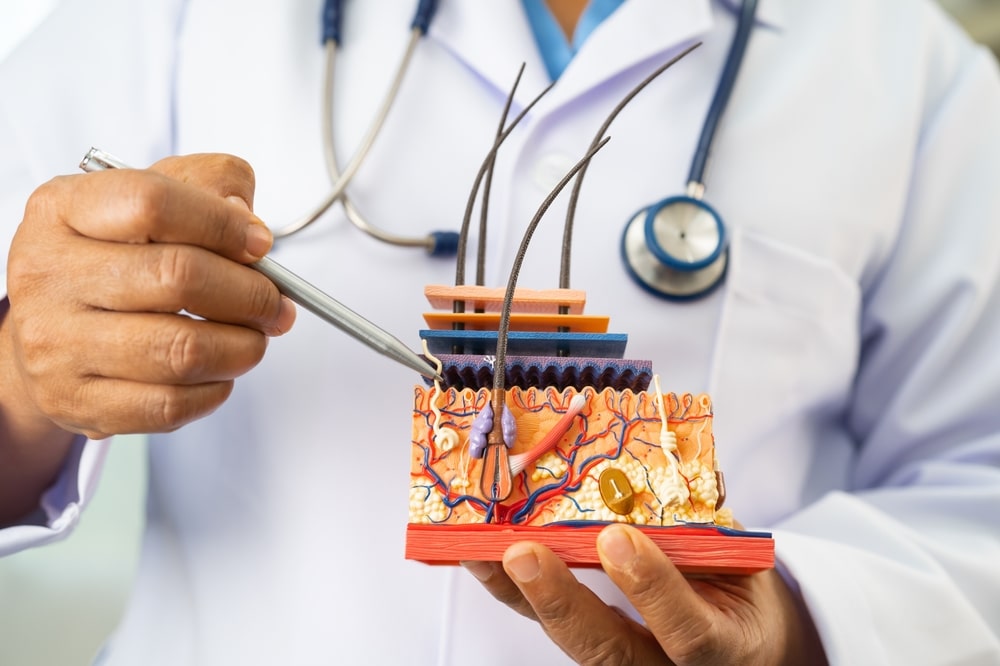
Menopause doesn’t happen in isolation, and other life factors during this time can make hair loss worse.
High stress levels, which are common during midlife, can push more hair follicles into the resting phase, leading to increased shedding.
Your nutrition plays a bigger role than you might think. Iron deficiency, low protein intake, or crash dieting can all worsen hair loss during menopause when your hair is already vulnerable to hormonal changes.
Certain medications commonly prescribed during menopause or for age-related conditions can also contribute to hair thinning. Blood pressure medications, antidepressants, and even some supplements can affect hair growth.
Heat styling, tight hairstyles, and chemical treatments can also cause additional damage during this vulnerable time. Being gentler with your hair care routine during menopause can help minimize preventable hair loss.
When Should You See A Dermatologist?
Don’t wait until your hair loss becomes severe to seek professional help. Early intervention often leads to better outcomes, so it’s worth having a conversation with a dermatologist as soon as you notice changes that concern you.
If you’re losing more hair than usual for more than a few months, or if the hair loss is affecting your confidence and quality of life, those are good reasons to schedule an appointment. You don’t need to wait for dramatic changes to seek guidance.
A dermatologist can help determine whether your hair loss is within the normal range for menopause or if additional factors are contributing to the problem. They can also help you develop a treatment plan tailored to your specific needs and preferences.
During your appointment, be prepared to discuss your menopause timeline, any other symptoms you’re experiencing, medications you’re taking, and your hair care routine. This information helps your provider develop the most effective treatment approach.
If you have questions about your skin, schedule an appointment at Moy-Fincher-Chipps today!