


Body contouring has never been more advanced, and one procedure in particular has been attracting significant attention from patients and cosmetic surgeons alike. RF-assisted liposuction combines two powerful technologies into a single treatment, delivering results that traditional liposuction simply can’t match on its own.
If you’ve been curious about body contouring but weren’t sure where to start, keep reading to learn everything you need to know, from how the procedure works to who tends to benefit most from it.
What Is Liposuction?
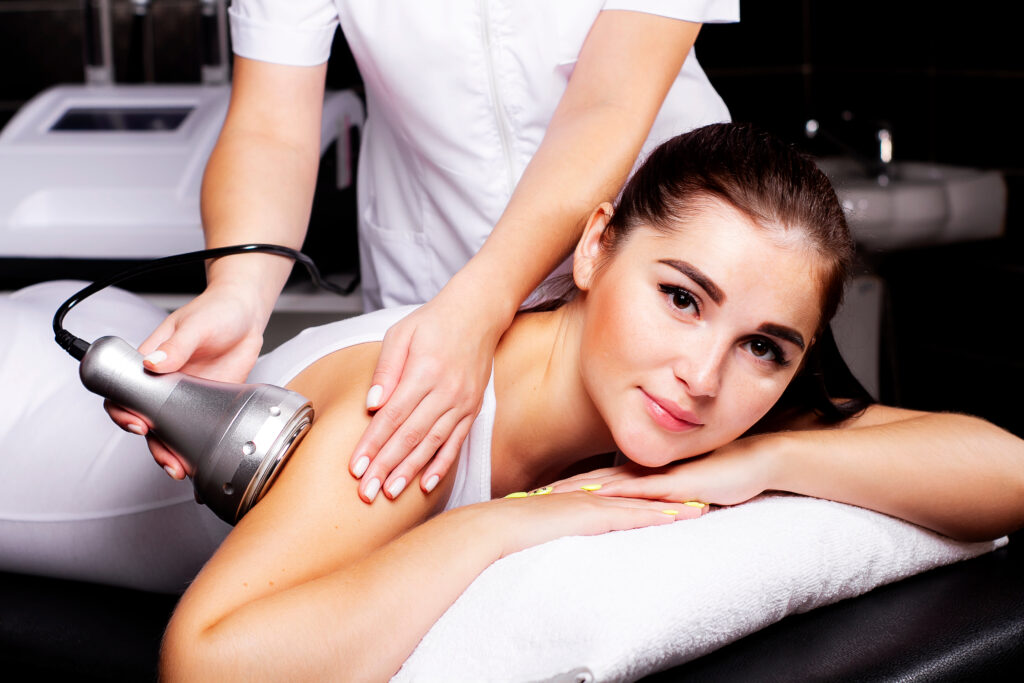
Liposuction is a surgical procedure that removes unwanted fat deposits from specific areas of the body.
It’s been one of the most popular cosmetic procedures for decades because it can reshape areas that resist even consistent diet and exercise.
The procedure works by inserting a thin tube called a cannula beneath the skin, which loosens and suctions out fat cells. While it’s highly effective at reducing stubborn fat, traditional liposuction addresses fat alone, meaning skin laxity, or looseness, isn’t corrected in the process.
That limitation is exactly what led to the development of RF-assisted techniques, which take liposuction a meaningful step further.
So What Is Radiofrequency Energy, Exactly?
Radiofrequency (RF) energy is a form of heat delivered beneath the skin using carefully controlled electromagnetic waves. When applied to tissue, it gently heats the deeper layers of skin, triggering the body’s natural collagen-building response.
Collagen is the structural protein responsible for keeping skin firm and elastic. As we age, collagen production slows, which contributes to sagging and loss of definition, especially in areas prone to fat accumulation. RF energy essentially signals the body to rebuild what time has gradually reduced.
What makes RF particularly useful in body contouring is its ability to tighten skin from the inside out, rather than just removing what’s underneath it. The result is a smoother, more contoured appearance rather than skin that looks deflated after fat removal.
Dr. Lisa Chipps, a board-certified dermatologist and cosmetic surgeon at Moy-Fincher-Chipps, describes how RF energy changes the equation for patients:
“Radiofrequency gives us a tool that works on a completely different level than fat removal alone. When we heat the tissue at the right depth, we’re essentially remodeling the skin’s foundation — stimulating collagen, tightening the tissue, and improving the overall tone of the area. For patients who were previously told they’d need a surgical skin excision to address laxity, RF-assisted liposuction can sometimes offer an alternative path with far less downtime and scarring. It’s genuinely changed what’s achievable through a minimally invasive approach.”
How Does RF-Assisted Liposuction Work?
RF-assisted liposuction combines the fat-removal power of traditional liposuction with real-time radiofrequency energy delivery, all through the same small incisions. Devices like BodyTite and FaceTite are among the most well-known technologies used for this purpose, each designed for different treatment areas and depths.
During the procedure, a specialized handpiece delivers RF energy both beneath the skin and at the surface simultaneously. This dual-action approach melts fat for easier removal while heating the surrounding tissue to promote tightening. Because the fat is partially liquefied before suctioning, the process tends to be gentler on surrounding tissue than traditional liposuction alone.
FaceTite for the Face and Neck
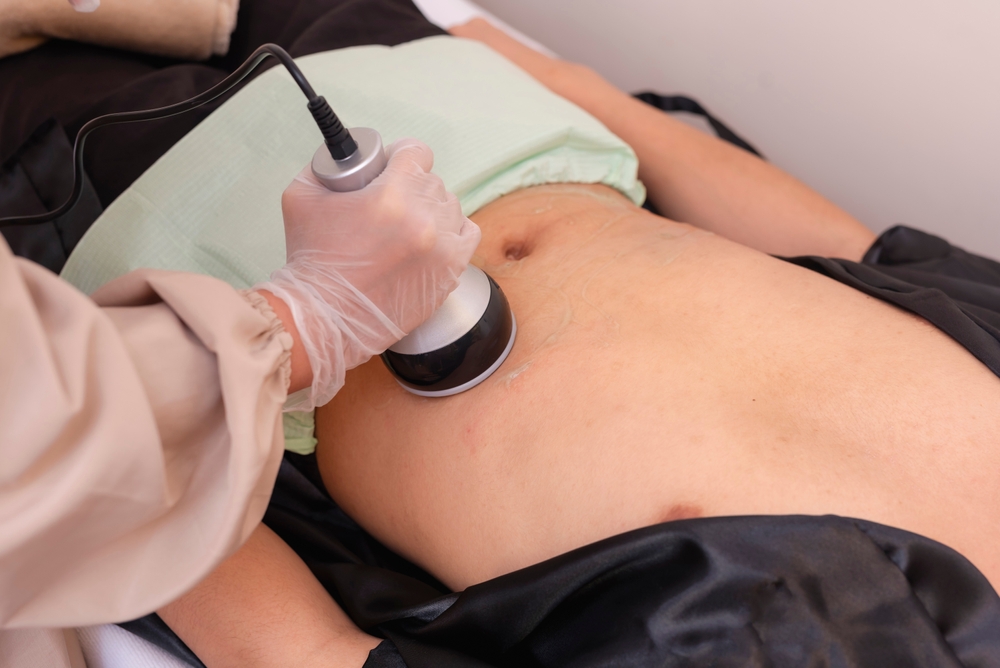
FaceTite applies the same RF-assisted technology specifically to delicate facial areas like the jawline, jowls, neck, and under the chin. These are regions where skin laxity is common, but traditional surgery carries significant downtime and visible scarring. FaceTite offers a minimally invasive option for patients who want meaningful improvement in these areas without committing to a full facelift.
BodyTite and QuantumRF for the Body
For larger body areas, platforms like BodyTite and QuantumRF deliver RF energy at a scale suited to treating the abdomen, arms, flanks, and thighs. These systems allow the cosmetic surgeons at Moy-Fincher-Chipps to customize energy delivery based on the treatment area, tissue thickness, and each patient’s individual goals.
What Can Patients Realistically Expect?
The process begins with a thorough consultation, where your cosmetic surgeon will review your goals, assess your skin and tissue quality, and determine whether RF-assisted liposuction is the right fit.
The procedure itself is typically performed under local anesthesia with sedation, depending on the size of the treatment area. Most sessions take between one and three hours. Patients go home the same day, making it an outpatient procedure.
Swelling, bruising, and mild tenderness in the days following treatment are normal. Most patients are back to light daily activities within a few days, though strenuous exercise is typically held off for two to four weeks.
Some improvement is visible fairly quickly, but the full outcome takes time to emerge. Skin tightening continues for several months as collagen remodeling progresses, with many patients seeing their best results around the three-to-six-month mark.
Is RF-Assisted Liposuction Right for You?

RF-assisted liposuction is not a weight loss solution. It works best for patients who are close to their goal weight and looking to address specific pockets of fat that haven’t responded to lifestyle changes, particularly in areas where some degree of skin laxity is also a concern.
Good candidates are generally in good overall health, have realistic expectations, and understand that results improve gradually over several months. Skin quality also plays an important role in candidacy. Patients with moderate laxity tend to see the greatest benefit from the combined fat removal and tightening effect.
A consultation with the cosmetic surgeons at Moy-Fincher-Chipps is the most reliable way to determine whether this procedure aligns with your anatomy and goals. There’s no universal answer, and the right approach depends entirely on the individual.
If you have questions about your skin, schedule an appointment at Moy-Fincher-Chipps today!