


Walking down the skincare aisle can feel overwhelming, with hundreds of products promising brighter, smoother, younger-looking skin. Many patients spend years cycling through drugstore options before realizing that the results they are hoping for require something stronger.
Professional skincare products, often referred to as medical-grade, are formulated differently and dispensed through a dermatology practice rather than sold on an open shelf.
Keep reading to learn about seven professional products that consistently outperform their drugstore counterparts and why the difference matters.

1. Prescription Retinoids
Retinoids are the most well-studied topical ingredient in all of dermatology, with decades of research behind their use for fine lines, texture, acne, and sun damage. Prescription options such as tretinoin and tazarotene are the strongest versions available.
Over-the-counter retinol has to be converted by the skin into retinoic acid before it can do anything at all. Prescription tretinoin is already in its active form, so it works faster and produces more visible results in less time.
That strength does come with an adjustment period. Dryness, peeling, and mild irritation are common during the first several weeks, which is exactly why provider supervision makes a difference.
2. Medical-Grade Vitamin C Serums
Vitamin C is a powerful antioxidant that helps neutralize free radical damage, brighten uneven tone, and support collagen production. It is also notoriously unstable. The percentage printed on the label matters far less than whether the vitamin C is still active when it reaches your skin. Professional serums are formulated at the correct pH, packaged in opaque or airless containers, and frequently paired with vitamin E and ferulic acid to extend stability.
Many drugstore serums oxidize within weeks of opening, which is why a formula that starts out clear may turn orange or brown over time. At that point, the product is no longer doing much for your skin.
3. Prescription Pigment Correctors
Melasma, sun spots, and post-inflammatory hyperpigmentation are among the most frustrating concerns patients bring to a dermatology office. Over-the-counter brightening products often help slightly, but they rarely resolve stubborn discoloration on their own.
Prescription hydroquinone remains one of the most effective options for fading unwanted pigment. It is frequently prescribed as part of a combination formula that pairs it with a retinoid and a mild topical steroid to accelerate results and reduce irritation.
These products require oversight for good reason. Hydroquinone is generally used in cycles rather than continuously, and your provider will monitor your progress and schedule breaks to keep your skin responding well.
4. Medical-Grade Sunscreen
Sunscreen is the single most important product in any skincare routine, and it is also the one patients are most likely to skip.
Professional sunscreens tend to solve the problems that make people skip it.
Medical-grade formulas typically offer broader UVA protection than the minimum required for a standard SPF rating, and many now include antioxidants that add a second layer of defense against environmental damage. Just as importantly, they are formulated to feel comfortable enough to wear every single day.
5. Growth Factor and Peptide Serums
Growth factors and peptides are signaling ingredients that encourage the skin to repair itself and produce new collagen. They have become a cornerstone of professional anti-aging routines, particularly for patients recovering from in-office procedures. The catch is that these ingredients are expensive to source and difficult to keep stable. Retail versions often contain concentrations far too low to produce a measurable effect.
6. Professional-Strength Chemical Exfoliants
Chemical exfoliants dissolve the bonds holding dead cells to the skin’s surface, which improves texture, unclogs pores, and helps other products absorb more effectively. Glycolic acid, lactic acid, and salicylic acid are the most common options.
Professional formulations use higher concentrations and, critically, a properly calibrated pH. An exfoliating acid at the wrong pH will not work no matter how high the percentage on the label appears.
Your provider can also recommend the right acid for your specific concern. Salicylic acid penetrates oil and suits acne-prone skin, while lactic acid tends to be gentler and better tolerated by dry or sensitive skin.
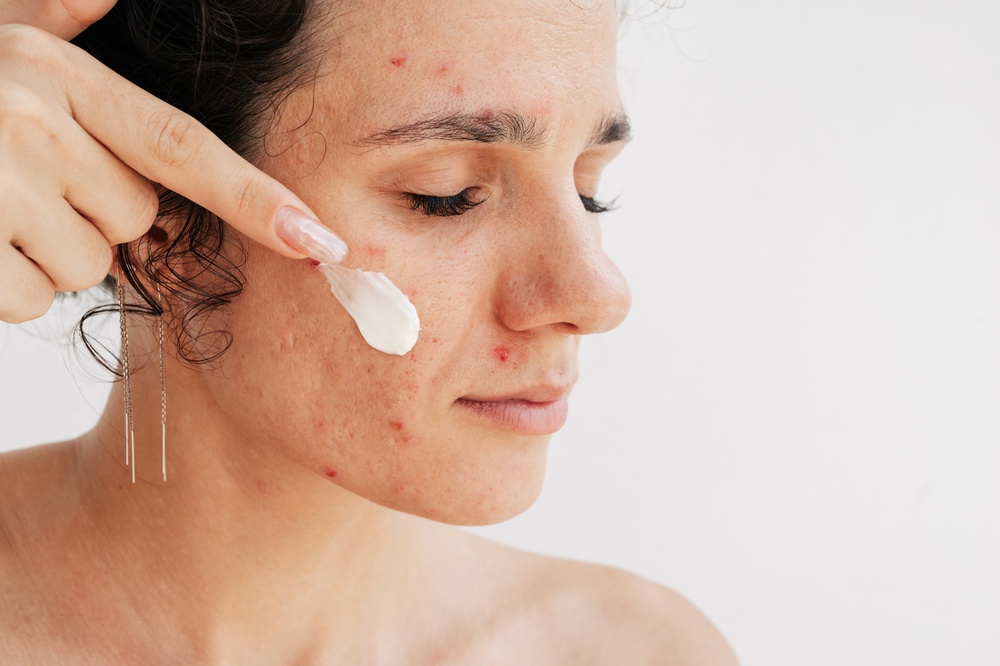
7. Prescription Acne Treatments
Patients with persistent acne often arrive having tried nearly everything a pharmacy carries. Topical antibiotics, prescription combination formulas, azelaic acid, and topical retinoids all target acne through different mechanisms. A dermatologist can layer these strategically instead of relying on one product to do everything. Controlling active breakouts reduces the risk of permanent scarring and the dark marks that can linger for months afterward.
Getting More From Every Product You Use
A focused routine built around a few effective, well-chosen formulas will almost always outperform a crowded shelf of drugstore purchases.
The most efficient way to get there is with professional input. A dermatologist can evaluate your skin, identify which upgrades will actually move the needle for your concerns, and help you avoid spending money on products that were never going to work for you.
If you have questions about your skin, schedule an appointment at Moy-Fincher-Chipps Dermatology today!