


After weeks of consistent treatment, patients often see their melasma fade and start to feel like themselves again. Then comes the question that lingers in the back of every mind: will it come back?
Melasma is a chronic pigmentation condition. That means recurrence is possible, and for many patients, likely. But this doesn’t mean treatment isn’t worth the investment. With the right plan, ongoing maintenance, and protective daily habits, most patients can keep their skin clear for long stretches and dramatically reduce how often and how intensely melasma returns.
Keep reading to learn why melasma comes back and what you can do to stay ahead of it.
Why Does Melasma Tend to Come Back?

Melasma is a chronic pigmentation disorder, meaning the underlying tendency to produce excess melanin doesn’t disappear once treatment clears the visible patches. The melanocytes, which are the pigment-producing cells responsible for melasma, remain in the skin, ready to react if their triggers return, and those triggers rarely vanish for good.
Sun exposure is the single most powerful driver of melasma. Visible light can also stimulate pigment production in melasma-prone skin. Heat itself, separate from light, has also been shown to provoke flares.
Hormones add another layer of complexity. Pregnancy, oral contraceptives, hormone replacement therapy, and even hormonal shifts associated with stress or thyroid changes can all trigger or reignite melasma. Because hormones are tied to long-term life events, many patients find melasma waxes and wanes with their reproductive years.
Genetics also plays a role. Patients with a family history of melasma are more prone to recurrence, regardless of how thorough their treatment plan has been.
Understanding these triggers is the first step in keeping melasma controlled. The goal isn’t to eliminate the condition entirely, which isn’t currently possible, but to manage the triggers and intervene quickly when pigment starts to return.
Common Treatments for Melasma
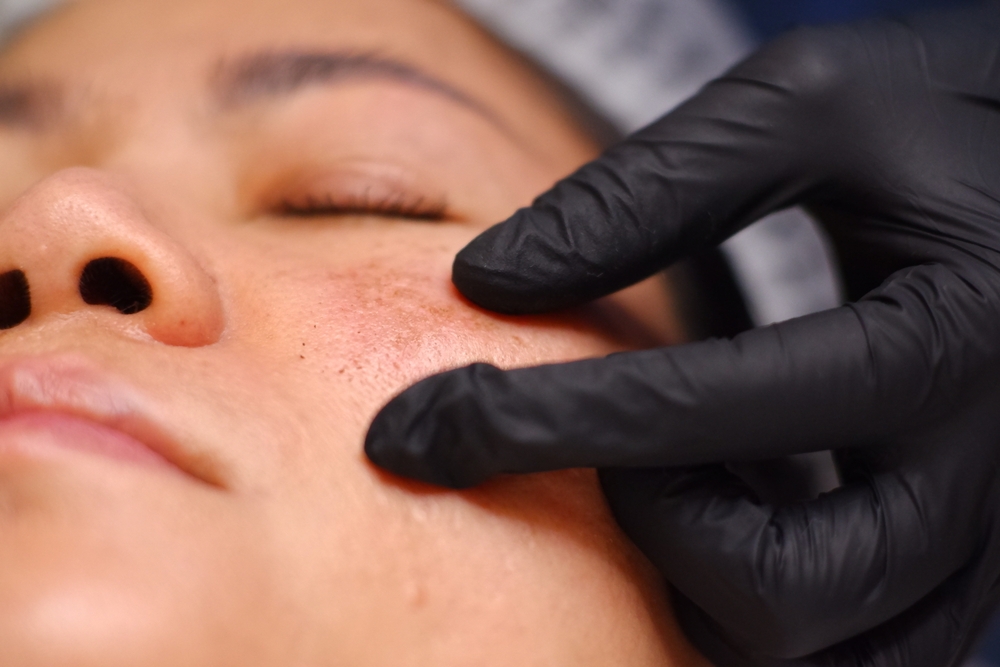
Treating melasma typically involves combining topical therapies with in-office procedures to address pigment at multiple levels of the skin.
Topical options often include prescription-strength brighteners, retinoids, and antioxidants that work to slow melanin production and support healthy cell turnover. These are usually the foundation of any melasma plan and continue to be used even after visible improvement.
In-office treatments may include gentle chemical peels, carefully selected laser and light therapies, and microneedling protocols designed to support pigment regulation. Aggressive treatments are typically avoided because excess heat and inflammation can actually worsen melasma in some patients.
Your cosmetic surgeon at Moy-Fincher-Chipps will create a plan tailored to your skin type, melasma severity, and lifestyle. The goal is steady improvement without triggering rebound pigmentation along the way.
How to Protect Your Results Between Treatments
The work you do at home matters just as much as the work done in the office. Patients who follow a consistent skincare and sun protection routine tend to enjoy longer stretches of clear skin between flare-ups.
Daily broad-spectrum sunscreen with an SPF of 30 or higher is non-negotiable for melasma patients. Tinted mineral sunscreens that contain iron oxides are especially helpful because they block visible light, which is a known melasma trigger.
Beyond sunscreen, protective clothing, wide-brimmed hats, and UV-blocking sunglasses add another layer of defense. Reapplying sunscreen every two hours during outdoor activity is one of the most underrated habits for keeping pigment at bay.
When to Schedule a Follow-Up Visit
Even with a strong maintenance routine, most melasma patients benefit from periodic check-ins. Coming in once or twice a year for evaluation gives your provider a chance to catch returning pigment early, when it’s easier to treat.
Some patients schedule seasonal maintenance peels or light treatments, especially heading into and out of summer when UV exposure is highest. This proactive approach often prevents full flares from taking hold.
Dr. Fincher, a board-certified cosmetic surgeon at Moy-Fincher-Chipps, often emphasizes this point with patients:
“The biggest mistake I see is patients waiting until their melasma is fully back before they call us. By that point, we’re starting over with more aggressive treatment instead of doing a quick refresh. If you notice even a faint return of pigment, that’s the perfect time to schedule a visit. A small adjustment to your topicals or a single maintenance treatment is often all it takes to stop a flare in its tracks.”

Staying connected to your provider also gives you the chance to update your plan as your skin, hormones, and lifestyle change over time.
Melasma Is Manageable With the Right Long-Term Plan
Melasma may be a chronic condition, but it doesn’t have to define your skin or limit your confidence. With a thoughtful treatment plan, daily protection, and a strong partnership with your provider, long stretches of clear, even skin are absolutely achievable.
If you have questions about your skin, schedule an appointment at Moy-Fincher-Chipps today!