


If you’re considering a facelift to address signs of aging, one of your most pressing questions is likely about how long the results will last. While individual results vary, most patients can expect their facelift results to last ten years or longer with proper care. Keep reading to learn more about the factors that can impact the longevity of your facelift results.
What Factors Affect How Long a Facelift Lasts?
First and foremost, your genetics play a significant role in determining how long your facelift results will last. Some people naturally age more slowly due to their genetic makeup, while others may notice changes sooner regardless of their skincare routine or lifestyle choices.
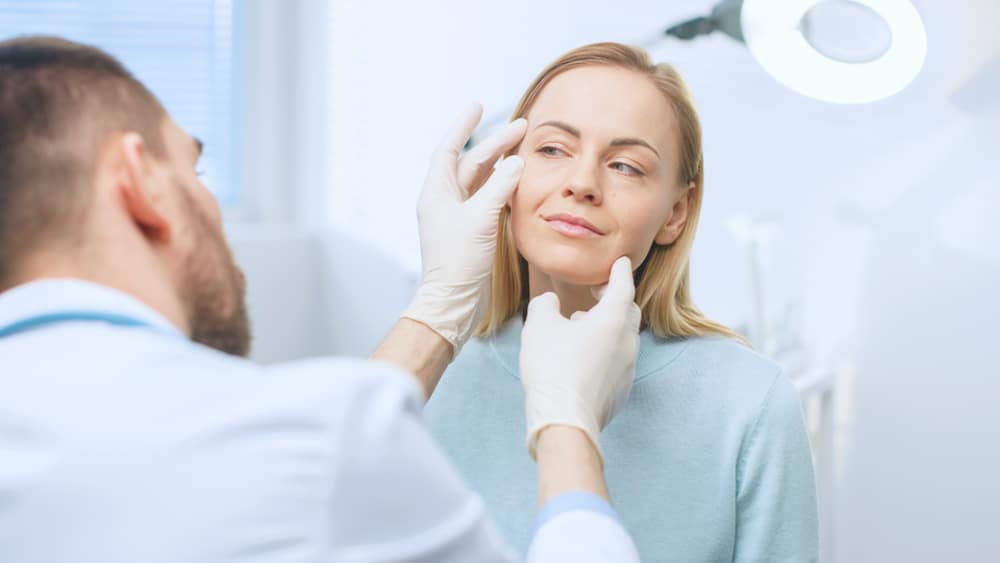
Your age at the time of surgery also significantly impacts longevity, as younger patients typically enjoy longer-lasting results since their skin has better elasticity and healing capacity.
Sun exposure is one of the most significant factors that can shorten the lifespan of your facelift results. Ultraviolet radiation breaks down collagen and elastin fibers, accelerating the aging process and diminishing the improvements achieved through surgery.
Smoking dramatically reduces the longevity of facelift results by impairing blood circulation and oxygen delivery to the skin. The repetitive muscle movements associated with smoking also contribute to the formation of new wrinkles around the mouth area.
How Does Surgical Technique Affect Longevity?
The specific facelift technique used by your cosmetic surgeon significantly impacts the durability of your results. Deep plane facelifts and SMAS (Superficial Muscular Aponeurotic System) techniques typically provide longer-lasting results than skin-only procedures.
At Moy-Fincher-Chipps, our cosmetic surgeons utilize advanced techniques that address both the deeper tissues and surface skin for more comprehensive and longer-lasting improvements. This approach helps ensure that your investment in facial rejuvenation provides optimal value over time.
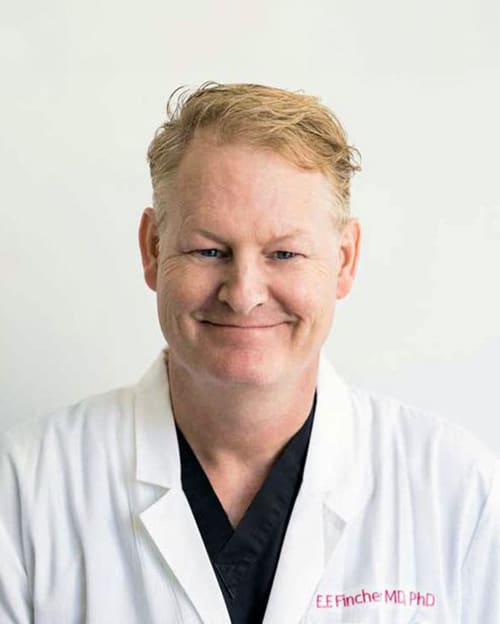
Dr. Edgar Fincher explains the importance of comprehensive surgical techniques:
“The longevity of facelift results depends heavily on addressing the underlying structural changes that occur with aging, not just removing excess skin. When we lift and tighten the deeper tissues, including the SMAS layer, we’re essentially rebuilding the foundation that supports your facial contours. This typically provides results that last significantly longer than surface-level procedures. Additionally, combining laser resurfacing with facelift surgery addresses skin quality issues that contribute to an aged appearance, creating a more unified and natural-looking result that ages gracefully over time.”
What Happens as Your Facelift Ages?
Even with excellent surgical technique and successful healing, your face will continue to age naturally after your facelift procedure. The aging process doesn’t stop, but it essentially “resets” your appearance to a more youthful starting point.
Most patients find that they look younger than they would have without the surgery, even years later, when some aging changes become apparent again. The improvements in facial structure and contour achieved through facelift surgery create a more youthful foundation that continues to benefit your appearance over time.
The first few years after your facelift typically show stable, dramatic improvements in your facial appearance. Most patients are extremely satisfied with their results during this period and may forget how they looked before surgery.
Around the 5 to 7-year mark, some patients begin to notice subtle changes as the natural aging process continues. These changes are usually gradual and may include slight loosening of the skin or the development of new fine lines.
Your face essentially ages from a more youthful starting point, meaning you’ll still appear younger than you would have without the procedure. This advantage continues throughout the lifespan of your facelift results.
How Can You Maximize the Longevity of Your Facelift?
Maintaining a consistent skincare routine with high-quality products can significantly extend the life of your facelift results. Using sunscreen daily, moisturizing regularly, and incorporating anti-aging ingredients like retinoids helps preserve your skin quality.
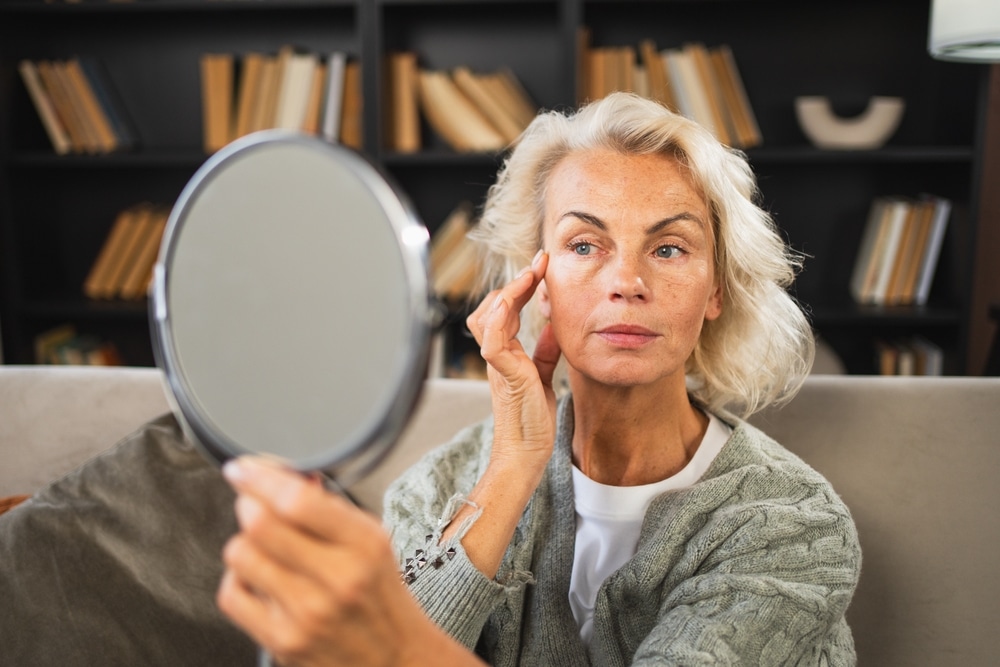
Professional treatments such as chemical peels, laser resurfacing, or injectable treatments can complement your facelift results and help maintain your youthful appearance. Your cosmetic surgeon at Moy-Fincher-Chipps can recommend appropriate maintenance treatments based on your individual needs.
Strategic use of dermal fillers and neuromodulators can help maintain and enhance your facelift results over time. These treatments can address areas that may show signs of aging before others, helping to maintain overall facial harmony.
Regular consultation with your cosmetic surgeon allows for early intervention when minor changes begin to appear. This proactive approach can help extend the longevity of your surgical results through minimally invasive touch-up procedures.
Following post-operative instructions carefully during your recovery period directly impacts the longevity of your facelift results. Proper wound healing ensures that the surgical improvements integrate well with your natural tissues and maintain their effectiveness.
Who Should Consider a Facelift?
The best candidates for facelift surgery are individuals who have specific aging concerns that cannot be adequately addressed through non-surgical treatments.
You may be an excellent candidate for a facelift if you have:
- Significant sagging skin in the middle and lower portions of your face • Pronounced jowls and fatty deposits around your jawline
- Deep creases running from your nose to the corners of your mouth
- Loss of skin tone that creates a tired or aged appearance
- Realistic expectations about surgical outcomes and recovery
Are Touch-Up Procedures Necessary?
Many patients find that they don’t require additional surgical procedures for 10 to 15 years after their initial facelift. However, some individuals may choose to have minor touch-up procedures or mini-facelifts to maintain their results.
The decision to pursue additional procedures is highly individual and depends on your personal aesthetic goals, lifestyle, and how your face has aged since surgery. Your cosmetic surgeon can help you determine if and when additional treatments might be beneficial.
Is a Facelift Worth the Investment?
When considering the cost per year over the lifespan of facelift results, many patients find it to be an excellent investment in their appearance and confidence. The dramatic improvements achieved through facelift surgery often provide benefits that extend far beyond physical appearance.
The boost in self-confidence and satisfaction with one’s appearance can have profound effects on both personal and professional aspects of life. Many patients report feeling more confident in social situations and more satisfied with their overall quality of life.
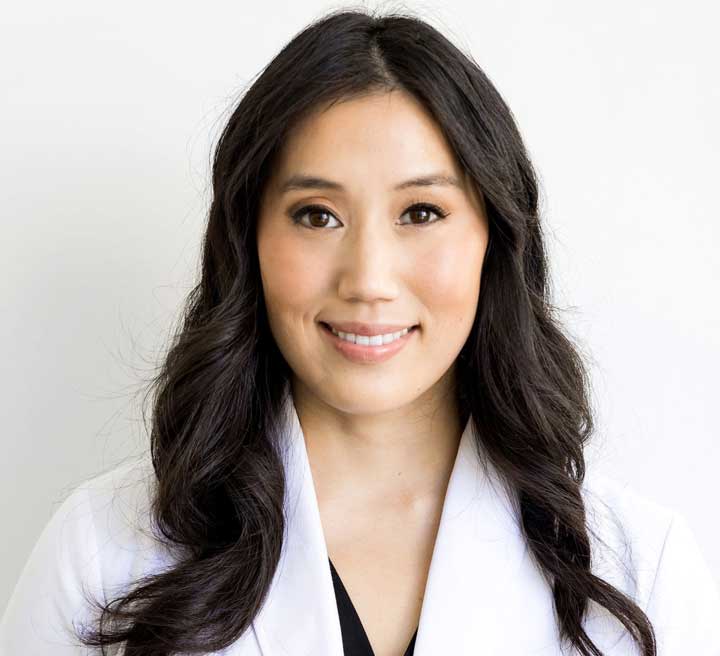
Dr. Lauren Moy emphasizes the importance of long-term care:
“The patients who maintain their facelift results for the longest periods are those who understand that surgery is just the beginning of their rejuvenation journey. We work closely with our patients to develop comprehensive maintenance plans that may include periodic laser treatments, injectable therapies, and advanced skincare protocols. When patients commit to this ongoing partnership with their cosmetic surgeon, they consistently achieve the most satisfying and enduring outcomes.”
Working with experienced cosmetic surgeons who understand facial aging and can recommend complementary treatments helps ensure that you get the maximum benefit from your facelift investment. Regular follow-up care and maintenance treatments can help extend and enhance your surgical results.
If you have questions about your skin, schedule an appointment at Moy-Fincher-Chipps today!