


Getting a tattoo seemed like a great idea at the time, but now you’re having second thoughts. Tattoo removal technology has come a long way from the painful, ineffective methods of the past. The advanced laser systems that exist today can remove tattoos more completely and comfortably than ever before.
What Is Laser Tattoo Removal?

Laser tattoo removal works by using focused light energy to break down the ink particles in your skin. When you got your tattoo, the ink was injected deep into your skin, where your body’s immune system couldn’t easily remove it.
The laser sends short bursts of intense light that target the tattoo ink specifically. This light energy heats up and shatters the ink particles into tiny fragments that your body can naturally flush away through your lymphatic system.
Different types of lasers work better for different ink colors, which is why modern tattoo removal often uses multiple laser wavelengths. Your cosmetic surgeon can determine which laser system will work best for your specific tattoo.
How Have Removal Technologies Advanced?
The biggest breakthrough in recent years has been the development of picosecond lasers. These ultra-fast lasers deliver energy in trillionths of a second, which is much faster than older nanosecond technology.
This speed difference might sound small, but it makes a huge impact on results. Picosecond lasers can shatter ink particles into much smaller pieces, making them easier for your body to remove naturally.
William Kwan, MD, a board-certified dermatologist and one of the nation’s leading practitioners of laser skin procedures, explains the significance of these advances:
“The introduction of picosecond technology has revolutionized what we can achieve with tattoo removal. We’re seeing more complete removal in fewer sessions, with less discomfort for patients. Colors that were once considered nearly impossible to remove, like blues and greens, now respond much better to treatment. This technology allows us to offer patients realistic hope for complete tattoo removal, something that wasn’t always possible with older laser systems.”

Modern systems also offer better cooling mechanisms and adjustable settings that allow cosmetic surgeons to customize treatment for each patient’s skin type and tattoo characteristics. This personalized approach leads to better results with fewer side effects.
What Makes Modern Laser Systems More Effective?
Laser systems today can target a much wider range of ink colors than older technology. Traditional lasers struggled with certain colors, especially bright blues, greens, and yellows.
Modern multi-wavelength systems use different types of light to target specific ink colors. For example, one wavelength might be perfect for black and dark blue inks, while another works better for red and orange pigments.
The precision of newer lasers also means they can target the tattoo ink without damaging the surrounding healthy skin tissue. This reduces healing time and minimizes the risk of scarring or changes in skin color.
Some of the newest systems even have special features that help cosmetic surgeons see exactly how the treatment is progressing. This real-time feedback allows for immediate adjustments to get the best possible results.
How Long Does Tattoo Removal Take?
The timeline for tattoo removal varies depending on several factors, including the size, color, and age of your tattoo. Most tattoos require multiple treatment sessions spaced several weeks apart to allow your skin to heal between visits.
With modern technology, many patients see significant fading after just a few sessions. Complete removal typically takes anywhere from 6 to 12 sessions, though some tattoos may need more or fewer treatments.
Professional tattoos usually take longer to remove than amateur ones because they’re typically done with more ink and better technique. Newer tattoos may also be more challenging than older ones, as the ink hasn’t had time to naturally fade.
Lisa Chipps, MD, a board-certified dermatologist and surgeon and current president of the American Academy of Cosmetic Surgery (AACS), notes the improvement in treatment timelines:
“One of the most exciting developments we’ve seen is the reduction in treatment time with newer laser technology. Patients who might have needed 15-20 sessions with older systems are now achieving excellent results in 8-10 sessions. The picosecond lasers work so efficiently at breaking down ink particles that we’re seeing faster clearance across all tattoo types. This means less time commitment and lower overall cost for our patients, which makes the removal process much more manageable for busy lifestyles.”

Your cosmetic surgeon will assess your specific tattoo and give you a realistic timeline based on your individual situation. Factors like your immune system health and how well you follow aftercare instructions can also affect how quickly you see results.
The Tattoo Removal Process
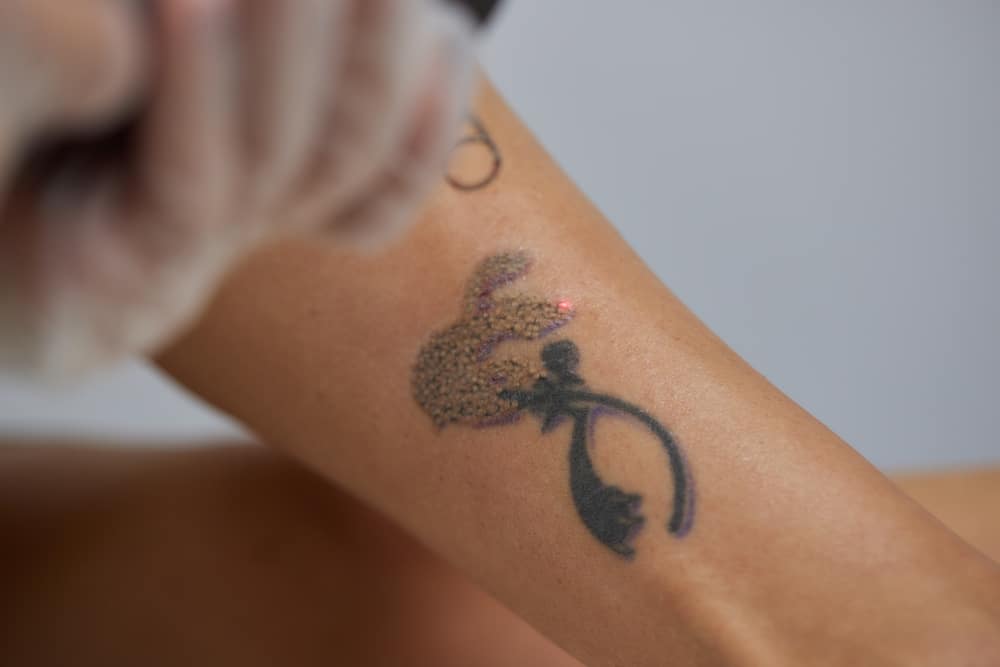
Most patients describe the sensation of laser tattoo removal as similar to getting snapped with a rubber band. While it’s not painless, modern systems include cooling features that make the treatment much more comfortable than older methods.
Each treatment session typically lasts between 15 to 30 minutes, depending on the size of your tattoo. Your cosmetic surgeon will clean the area, apply a numbing cream if needed, and then use the laser to target the tattooed skin.
After treatment, the area may look red and feel tender, similar to a mild sunburn. Some patients also experience temporary swelling or small blisters, which are normal parts of the healing process.
Your cosmetic surgeon will provide detailed aftercare instructions to help you heal properly and get the best results. Following these guidelines is important for avoiding complications and ensuring optimal tattoo removal.
How Do You Choose the Right Provider?
The experience and expertise of your provider are just as important as having the latest laser technology. Look for a cosmetic surgeon who specializes in tattoo removal and has extensive experience with different types of tattoos and skin tones.
Make sure your provider uses FDA-approved laser systems and follows proper safety protocols. A qualified cosmetic surgeon will thoroughly evaluate your tattoo, discuss realistic expectations, and create a personalized treatment plan for your specific situation.
Ask about the provider’s training and certification in laser tattoo removal techniques. The best results come from cosmetic surgeons who understand both the technical aspects of the laser systems and the artistry required to achieve optimal outcomes.
Don’t hesitate to ask to see before and after photos of previous patients with similar tattoos to yours. This can give you a good idea of the results you might expect from treatment.
If you have questions about your skin, schedule an appointment at Moy-Fincher-Chipps today!