

How Do Microneedling and LaseMD Support Hair Growth?
At Moy-Fincher-Chipps, laser energy is not typically used as a standalone treatment for hair growth. Instead, microneedling or LaseMD (a non-ablative fractional laser) may be used before PRP to create microchannels in the scalp. These channels help enhance the penetration of PRP when it is applied topically, allowing growth factors to absorb more effectively.
Both techniques work by creating controlled micro-injuries:
- Microneedling uses fine needles to create microchannels.
- LaseMD creates precise, gentle laser channels in the upper layers of the skin.
These channels increase scalp permeability, allowing PRP to reach targeted follicles more effectively. In this setting, microneedling and LaseMD are priming technologies rather than standalone hair-growth treatments.
How Do Laser Treatments Support Hair Growth?
Laser therapy for hair loss, also known as low-level laser therapy (LLLT) or photobiomodulation, uses specific wavelengths of light to stimulate cellular activity in hair follicles. These non-invasive treatments work by increasing blood circulation to the scalp and enhancing cellular energy production within follicles.
The laser energy penetrates the scalp tissue and is absorbed by cells within the hair follicles. This absorption triggers biochemical processes that can improve follicle health and extend the growth phase of existing hairs. Regular laser treatments may help strengthen weak hair strands and potentially slow the progression of hair loss.
Clinical studies have shown that certain laser wavelengths can increase hair density and thickness when used consistently over time. The treatments are painless and require no downtime, making them an attractive option for patients seeking convenient hair loss solutions. Most patients require multiple sessions spread over several months to achieve noticeable improvements.
Why Combine PRP and Laser Treatments?
The combination approach leverages the strengths of each technology:
PRP is then applied topically, where it is absorbed through these channels.
Microneedling or LaseMD prepares the scalp by creating microchannels.
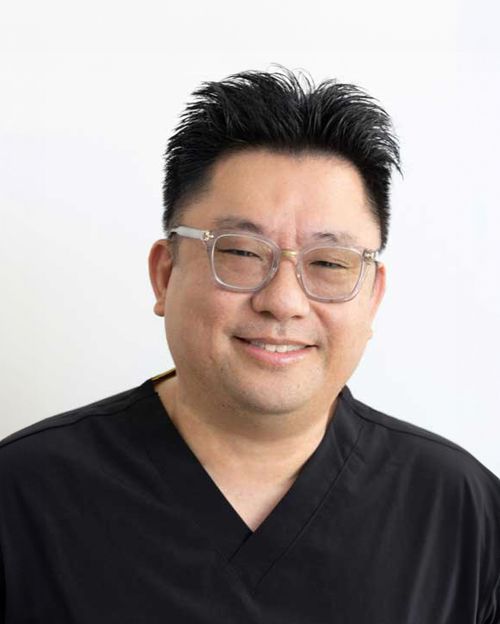
Jeffrey So, PA-C at Moy-Fincher-Chipps explains the benefits of combination therapy:
“When we layer PRP treatments with laser therapy, we’re essentially creating an optimal environment for hair follicle regeneration. The laser treatments prepare the scalp by increasing circulation and cellular activity, while the PRP provides the concentrated growth factors needed for follicle repair and regeneration. This combination approach allows us to address hair loss more comprehensively than either treatment could accomplish independently. Many of our patients experience enhanced results when both therapies work together to support natural hair growth processes.”
This protocol allows the provider to customize the approach based on the patient’s needs—choosing topical absorption through microchannels, direct injections, or a combination of both.
What Types of Hair Loss Respond Best to These Treatments?
Androgenetic alopecia—male or female pattern hair loss—typically responds best to PRP combined with microneedling or LaseMD. Patients in early or moderate stages of thinning often see the greatest benefits. Follicles that are dormant but still present are the most likely to respond.
Those with diffuse thinning, stress-related hair loss, or certain forms of alopecia may also benefit. Patients with long-standing or advanced follicle loss may see more limited results.
What to Expect During the Treatment Process
Treatment begins with a thorough consultation and scalp evaluation.
Step 1: PRP Preparation
Blood is drawn and processed in a centrifuge to concentrate the platelets. This typically takes 15–20 minutes.
Step 2: Microneedling or LaseMD
The scalp is treated with microneedling or LaseMD to create microchannels that improve PRP absorption.
Step 3: PRP Application or Injection
PRP is either:
- applied topically and absorbed through the channels created during Step 2, or
- injected into the scalp using fine needles (no laser or microneedling pretreatment required).
Edgar Fincher, MD, PhD, board-certified cosmetic surgeon at Moy-Fincher-Chipps, emphasizes the importance of consistency in treatment:
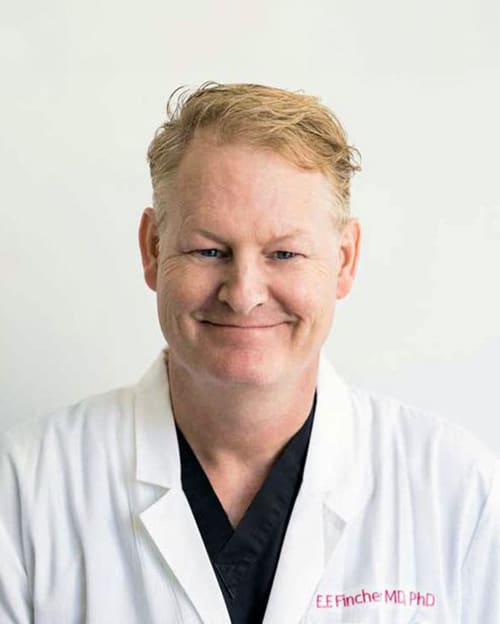
“Hair restoration is a gradual process that requires patience and commitment from both the patient and provider. The combination of PRP and laser therapy works best when treatments are performed consistently over several months, allowing the growth factors and cellular stimulation to have cumulative effects. We typically recommend a series of treatments spaced 4-6 weeks apart initially, followed by maintenance sessions. The key to success is following through with the complete treatment protocol and maintaining realistic expectations about the timeline for seeing results.”
Most patients require a series of 3-6 initial PRP treatments combined with regular laser sessions over several months. Maintenance treatments may be recommended every 6-12 months to sustain results and continue supporting follicle health.
Who is an Ideal Candidate for Treatment?
The best candidates for combined PRP and laser therapy are individuals with mild to moderate hair loss who have realistic expectations about treatment outcomes. Patients should be in good overall health and committed to following through with the complete treatment protocol.
Those with certain medical conditions, blood disorders, or who are taking specific medications may not be suitable candidates for PRP therapy. A thorough medical evaluation during your consultation will help determine if these treatments are appropriate for your situation.
If you have questions about your skin, schedule an appointment at Moy-Fincher-Chipps today!