


If your skin frequently becomes red, irritated, or uncomfortable, you might wonder whether you’re dealing with sensitive skin or something more specific, like rosacea. Many people use these terms interchangeably, but they’re actually two different conditions that require different approaches to treatment and care. Let’s explore what sets these conditions apart and how to identify which one might be affecting you.
What Is Sensitive Skin?
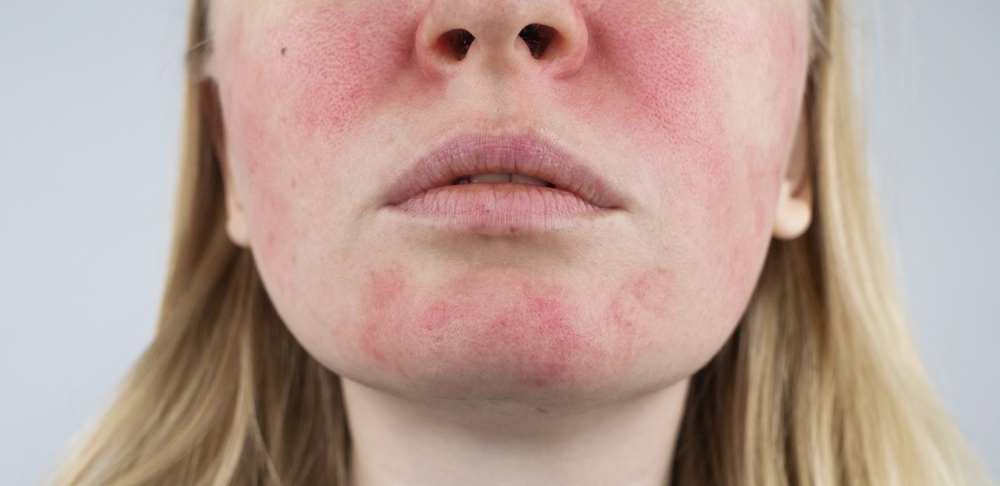
Sensitive skin is a common condition where your skin reacts more easily to products, environmental factors, or physical irritation than normal skin would. People with sensitive skin often experience stinging, burning, itching, or redness when using certain skincare products or being exposed to specific triggers.
This type of skin sensitivity can affect anyone and may come and go throughout your life depending on various factors like stress, hormones, or changes in your environment. Sensitive skin typically responds well to gentle, fragrance-free products and careful attention to potential irritants in your routine.
What Is Rosacea?
Rosacea is a chronic inflammatory skin condition that primarily affects the central area of your face, including your cheeks, nose, chin, and forehead. Unlike temporary skin sensitivity, rosacea is a medical condition that tends to worsen over time without proper treatment.
The condition typically appears as persistent redness, visible blood vessels, and sometimes small bumps that might look like acne. Rosacea often develops in adults over 30 and can vary significantly in severity from person to person, ranging from mild redness to more noticeable symptoms that affect daily life.
Key Differences in Symptoms and Appearance
While both conditions can cause redness and irritation, they have distinct characteristics that help differentiate them.
Sensitive skin reactions are typically temporary and directly related to a specific trigger, like using a new product or being exposed to harsh weather. Rosacea, on the other hand, causes persistent redness that doesn’t completely fade between flare-ups.
The redness associated with rosacea usually appears in a butterfly pattern across the central face, and you might notice small visible blood vessels or bumps that resemble acne but don’t respond to typical acne treatments. People with sensitive skin might experience reactions anywhere on their body, while rosacea specifically affects facial skin.
The timing is also different. Sensitive skin reactions usually resolve shortly after exposure to an irritant, while rosacea symptoms can persist for days, weeks, or even become permanent without treatment.
When Sensitive Skin and Rosacea Overlap
It’s entirely possible to have both sensitive skin and rosacea, which can make diagnosis more challenging.
People with rosacea often develop increased skin sensitivity as part of their condition, meaning they may react to products and ingredients that never bothered them before.
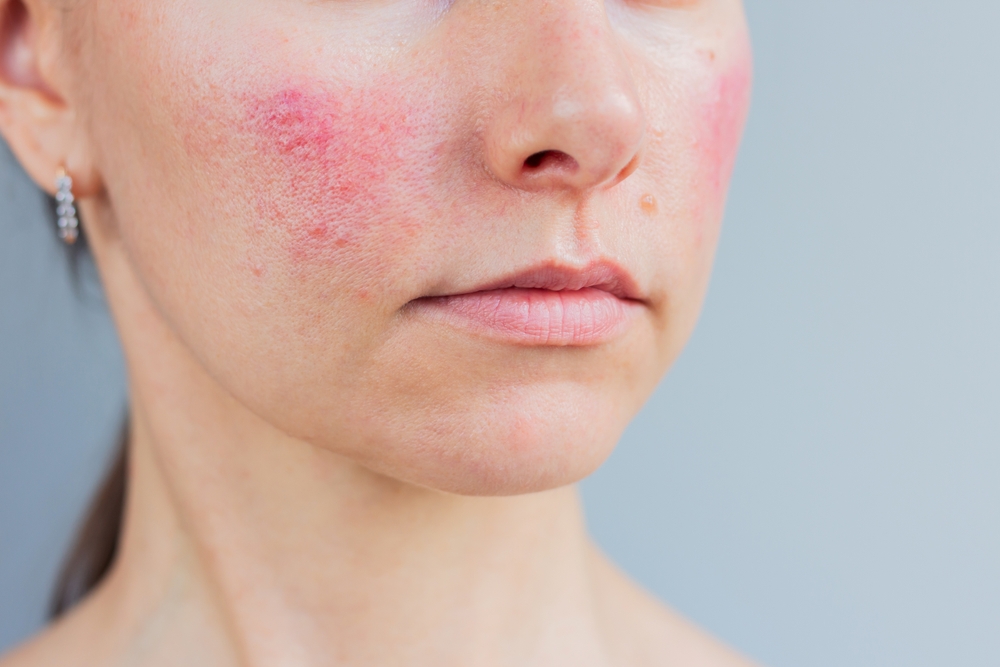
This overlap can create a cycle where sensitive skin reactions trigger rosacea flare-ups, and rosacea makes the skin more sensitive overall. Breaking this cycle requires understanding both conditions and developing a comprehensive approach to skincare and trigger avoidance.
While you might be able to identify obvious triggers or patterns in your skin’s behavior, getting a professional diagnosis is important for several reasons. Dermatologists can distinguish between rosacea and sensitive skin through visual examination and understanding your symptom history.
A professional evaluation can also rule out other conditions that might mimic rosacea or sensitive skin, such as seborrheic dermatitis, contact dermatitis, or lupus. This ensures you receive the most appropriate treatment for your specific situation rather than guessing based on symptoms alone.
When It’s Time to See a Dermatologist
If you’re experiencing persistent facial redness that doesn’t improve with gentle skincare, it’s time to consult a dermatologist.
You should also seek professional help if your skin sensitivity seems to be worsening over time, if you’re having trouble identifying triggers, or if your symptoms are affecting your quality of life or self-confidence. Early intervention often leads to better outcomes for both conditions.
Whether you’re dealing with sensitive skin, rosacea, or both, the path to healthier skin starts with understanding exactly what you’re treating. While sensitive skin can often be managed with the right products and lifestyle adjustments, rosacea requires ongoing medical care to prevent progression and maintain clear skin.
If you have questions about your skin, schedule an appointment at Moy-Fincher-Chipps today!