


Laser hair removal has become one of the most sought-after cosmetic treatments for permanently reducing unwanted hair across the body. The success of laser hair removal depends on several key factors, from your hair and skin characteristics to your treatment goals and lifestyle considerations.
Keep reading to learn more about what makes someone an ideal candidate for laser hair removal and how to determine if this treatment is right for you.
What Is Laser Hair Removal?
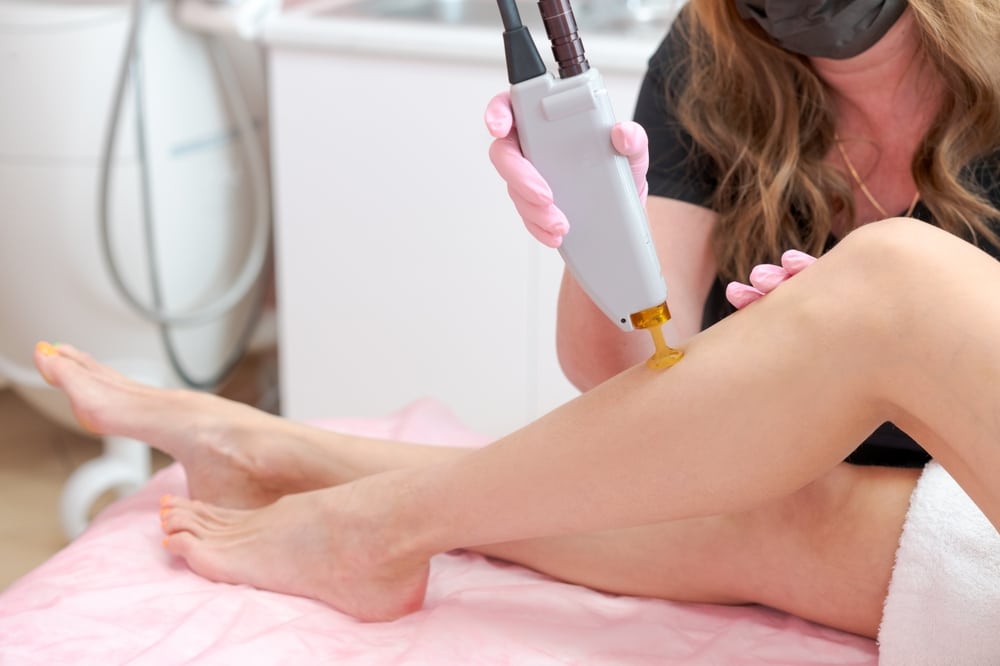
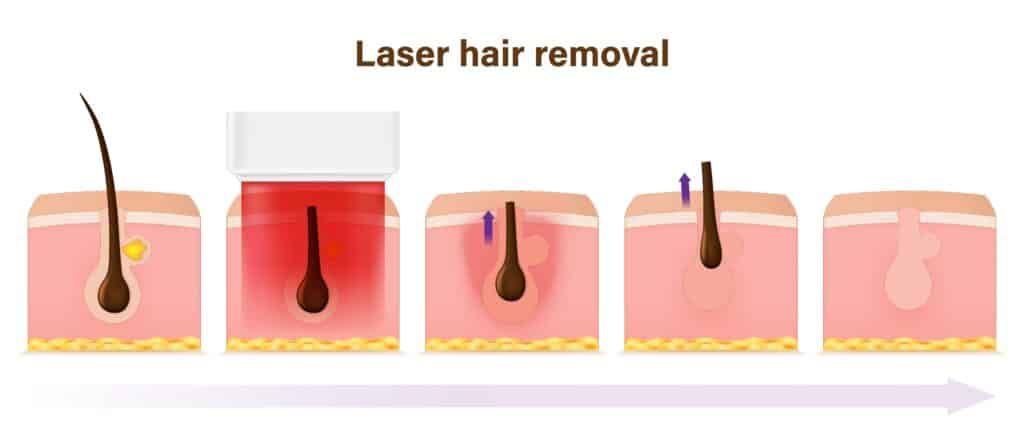
Laser hair removal is a cosmetic procedure that uses concentrated light beams to target and destroy hair follicles.
The laser light is absorbed by the pigment in your hair, which converts the light energy into heat that damages the follicle and prevents future hair growth. This treatment can effectively reduce hair on virtually any part of the body, including the face, underarms, legs, back, chest, and bikini area. Many patients choose laser hair removal because it offers a more permanent solution compared to temporary methods like shaving, waxing, or tweezing.
The procedure works by targeting hair during its active growth phase, which is why multiple treatment sessions are typically needed for optimal results.
Who Makes An Ideal Candidate For Laser Hair Removal?
The best candidates for laser hair removal share certain characteristics that make the treatment more effective and predictable. Several key factors influence how well laser hair removal works for each individual patient. Your cosmetic surgeon at Moy-Fincher-Chipps will evaluate these characteristics during your consultation to develop a personalized treatment plan that maximizes your results.
Kaitie McKeever, RN, who regularly guides patients through laser hair removal consultations at Moy-Fincher-Chipps, emphasizes the importance of education and realistic expectations:
“One of the most important parts of determining candidacy for laser hair removal is setting realistic expectations. I always remind patients that results vary based on hair color, hair thickness, skin tone, and even hormones. When we take the time to personalize the treatment plan and educate patients upfront, they tend to be much happier with their results and the overall process.”

Hair Color And Pigment
Dark hair responds significantly better to laser hair removal because the laser specifically targets the pigment (melanin) in the hair shaft. Black and dark brown hair contains the most melanin, making these hair colors ideal for laser treatment.
Lighter hair colors like blonde, red, and gray contain less melanin, which means the laser has less pigment to target during treatment. While these hair types can still be treated, they may require more sessions or may not achieve the same level of permanent reduction as darker hair.
Hair Texture And Thickness
Coarse, thick hair typically responds better to laser hair removal than fine, thin hair. The laser energy is more easily absorbed by thicker hair strands, leading to more effective follicle destruction and better long-term results.
Fine or vellus hair (the soft, light hair that covers much of the body) may be more challenging to treat effectively with laser technology. Your cosmetic surgeon can assess your specific hair type during consultation to provide realistic expectations about your potential results.
Dr. Lauren Moy, a double board-certified surgeon at Moy-Fincher-Chipps, explains how hair characteristics affect treatment success:
“The ideal candidate for laser hair removal has dark, coarse hair because these characteristics allow the laser to work most effectively. The pigment in dark hair acts like a target for the laser energy, while the thickness of coarse hair ensures there’s enough substance to absorb that energy and destroy the follicle. Patients with these hair characteristics typically see dramatic results with fewer treatment sessions, though we can often achieve good results with other hair types using advanced laser technology and customized treatment approaches.”
Skin Tone Considerations
Modern laser technology has made it possible to safely treat patients with various skin tones, though some considerations still apply. Lighter skin tones traditionally responded best to laser hair removal because there was greater contrast between the dark hair and light skin.
However, advanced laser systems now available at Moy-Fincher-Chipps can safely and effectively treat darker skin tones. The key is using the appropriate laser wavelength and settings for your specific skin type to avoid complications while achieving optimal hair reduction.
Your cosmetic surgeon will assess your skin type during consultation and select the laser technology best suited for your skin tone and hair characteristics. This personalized approach ensures both safety and effectiveness throughout your treatment series.
Treatment Area Suitability
Most body areas can be effectively treated with laser hair removal, though some areas tend to respond better than others. Areas with coarse, dark hair, like the legs, underarms, and bikini area, typically see excellent results with laser treatment.
Facial hair can also be successfully treated, though hormonal influences may affect the long-term results in some patients. Areas with finer or lighter hair may require additional sessions or alternative treatment approaches for optimal results.
How Many Sessions Will You Need?
Hair grows in cycles, with only a portion of your hair in the active growth phase at any given time. Since laser hair removal is most effective on actively growing hair, multiple treatment sessions are necessary to target hair follicles as they enter their growth phase.
Most patients require a series of 6–8 treatment sessions spaced several weeks apart to achieve optimal hair reduction. The exact number of sessions needed varies based on factors like hair thickness, treatment area, and individual hair growth patterns.
After completing your initial treatment series, you may need occasional maintenance sessions to address any remaining hair growth. Your cosmetic surgeon will discuss a personalized treatment schedule based on your specific characteristics and goals.
What Should You Expect During Treatment?
Laser hair removal treatments at Moy-Fincher-Chipps are designed to be as comfortable as possible while delivering effective results. Many patients describe the sensation as similar to a rubber band snapping against the skin, with most finding it quite tolerable.
Comfort measures like cooling devices and topical numbing cream can be used to minimize any discomfort during your treatment. The procedure itself is relatively quick, with small areas taking just a few minutes and larger areas like the legs taking up to an hour.
Jeff So, PA-C, a board-certified physician assistant at Moy-Fincher-Chipps, shares what patients can expect:
“Most of our patients are pleasantly surprised by how comfortable laser hair removal treatments are with modern technology. We use advanced laser systems with built-in cooling features, and we can apply topical numbing cream for sensitive areas if needed. The actual treatment time is quite manageable—underarms can be treated in just a few minutes, while larger areas like full legs might take about an hour. Many patients use their treatment time to relax, and some even schedule treatments during their lunch breaks because there’s no significant downtime afterward.”

You can typically return to your normal activities immediately after treatment, though you’ll need to avoid sun exposure and follow specific aftercare instructions. Most patients begin to notice hair reduction within a few weeks of their first treatment, with progressive improvement after each session.
If you have questions about your skin or are wondering whether laser hair removal is right for you, schedule an appointment at Moy-Fincher-Chipps today.