


Most people rely on the ABCDE rule (Asymmetry, Border, Color, Diameter, Evolution) when scanning their skin for trouble. It’s a helpful starting point, but it doesn’t catch everything, and some concerning moles never break a single one of those rules. So, relying on appearance alone can leave real risks unnoticed.
Keep reading to learn about seven situations where a professional mole check is worth scheduling, even if the mole in question looks completely unremarkable.
Can a Mole Look Normal and Still Be a Problem?
It’s a common misconception that dangerous moles always look obviously abnormal. Some forms of melanoma do not present with the classic warning signs most people are taught to watch for.
For example, amelanotic melanomas can appear pink, red, or skin colored rather than dark and irregular, and nodular melanomas tend to grow as a firm, evenly colored bump that can easily be mistaken for a harmless cyst or pimple.
This is part of why dermatologists don’t just rely on visual pattern recognition.
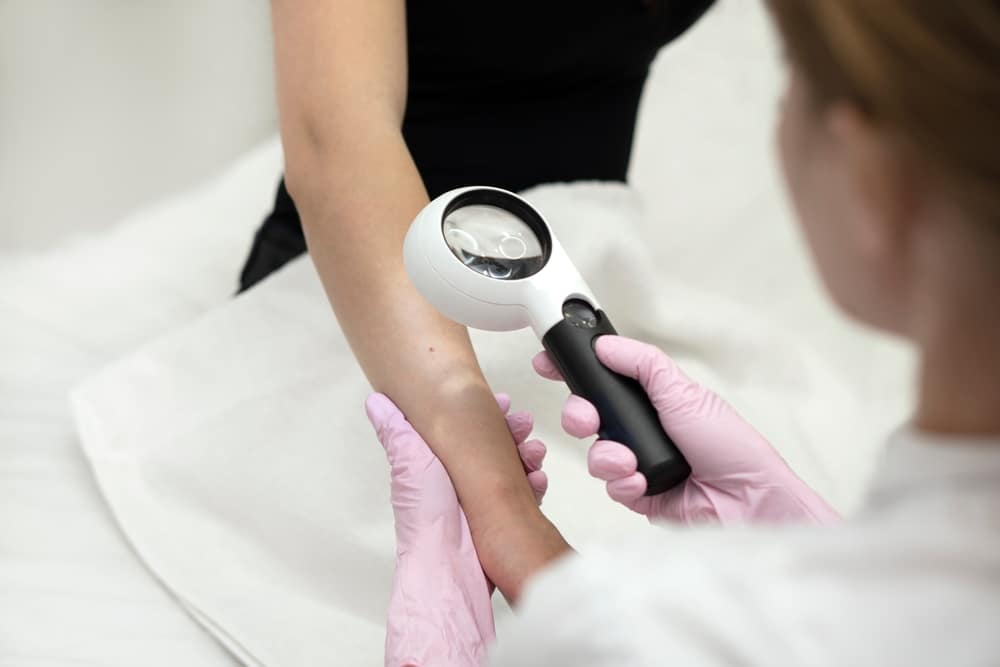
A trained provider at Moy Fincher Chipps uses dermoscopy and clinical experience to evaluate moles that might otherwise be overlooked by the untrained eye.
1. When You Have a New Mole After Age 30
Most moles form during childhood and adolescence, with the total count typically leveling off by early adulthood. A new mole that appears after age 30 is statistically less common and deserves attention, even if it looks small and unremarkable. While this doesn’t mean every new mole after 30 is dangerous, the odds shift enough that a quick evaluation is a reasonable precaution rather than an overreaction.
2. When a Mole Has Changed, Even Subtly
Dramatic changes tend to grab attention right away, but subtle shifts are just as important to track. A slight change in texture, a faint new shade within the mole, or a small increase in size over several months can all be early signals worth investigating.
Photographing your moles every few months can help you notice these gradual differences that might otherwise slip by unnoticed.
Trusting your own sense that something is different, even without a clear reason why, is valid. It’s often worth a conversation with your provider.
3. When You Have a Personal History of Skin Cancer
Patients who have previously been treated for melanoma or other skin cancers face a higher chance of developing new lesions elsewhere on the body. Regular surveillance becomes especially important in these cases, since early detection dramatically improves outcomes. Your provider at Moy Fincher Chipps can set up a personalized follow-up schedule based on your specific history and risk factors.
4. When You Have a Family History of Melanoma or Skin Cancer
Genetics play a large role in skin cancer risk. If a parent, sibling, or child has been diagnosed with melanoma, your own risk increases, which lowers the threshold for what’s worth having checked.
Family history can also mean your provider recommends more frequent skin exams than someone without that background. Sharing your full family history during appointments helps your dermatologist tailor a monitoring schedule that fits your actual risk level.
5. When the Mole Is in a Hard-to-See Spot
The back, scalp, backs of the ears, and areas between the toes are all commonly missed during a typical mirror check. A professional full-body skin exam looks at these hard-to-see spots where a problematic mole could be easy to miss. A dermatologist can examine these areas that are difficult or impossible to see on your own, using proper lighting and tools designed for thorough evaluation.
Asking a partner, family member, or friend to help check these areas at home can also be useful between professional visits.
6. When You’ve Had Significant Sun Exposure or Tanning Bed Use
Cumulative UV exposure over a lifetime raises baseline skin cancer risk, regardless of how any individual mole currently looks. This applies to both prolonged sun exposure and indoor tanning bed use, even if that exposure happened decades ago. If this sounds like your background, it’s worth mentioning to your provider so they can factor it into your recommended screening schedule.
7. When You Notice Symptoms Like Itching, Bleeding, or Tenderness
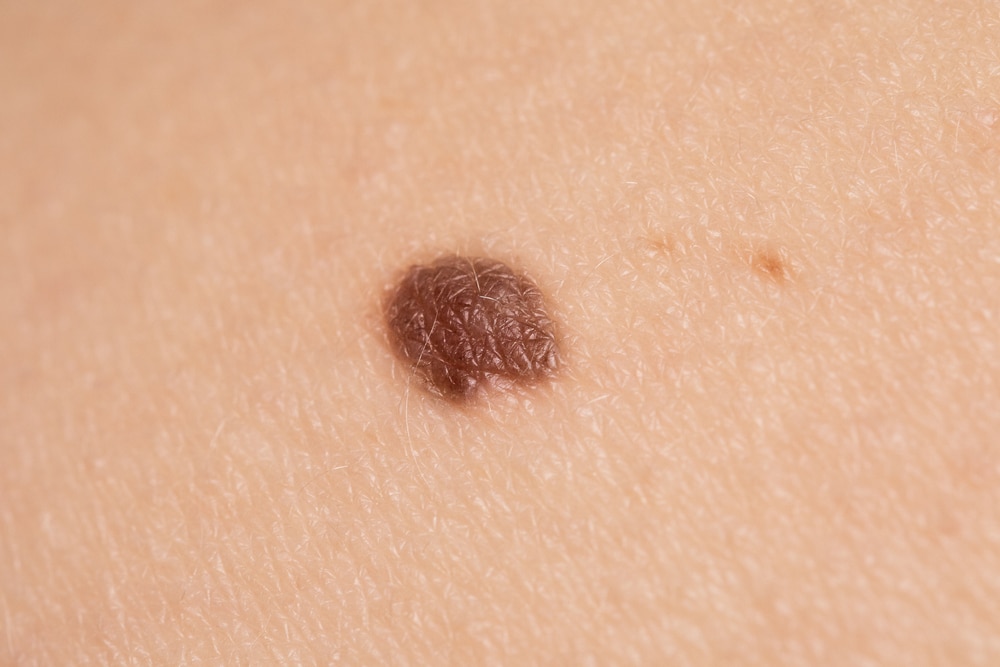
Visual changes aren’t the only signal worth paying attention to. A mole that itches persistently, bleeds without an obvious cause, or feels tender to the touch can be flagging a problem before any visible change appears.
These symptoms are easy to dismiss, especially if the mole still looks the same as it always has. Reporting them to a dermatologist ensures they get properly evaluated rather than ignored.
Why Annual Skin Checks Matter Regardless of Appearance
The situations above all share the common thread that none of them depend on a mole looking obviously dangerous. Risk factors like age, family history, sun exposure, and mole location matter just as much as visual appearance, sometimes more.
This is exactly why annual skin exams are recommended even for patients who feel confident in their own self-checks. A professional evaluation combines clinical training, proper tools, and a full body view that’s simply impossible to replicate at home.
Moy Fincher Chipps providers are trained to catch the findings that don’t fit the typical warning signs, giving patients an added layer of protection beyond what the ABCDE rule alone can offer. Consistent, proactive screening remains one of the most effective tools for catching skin cancer early.
If you have questions about your skin, schedule an appointment at Moy Fincher Chipps today!