


Your skin is your body’s first line of defense, but even healthy skin can develop an infection from time to time. With these infections, it’s important to seek care quickly, which often means simpler treatment and a faster recovery. Keep reading to learn about six of the most common skin infections, how to recognize them, and when it’s time to have a professional take a look.
Why Early Recognition of Skin Infections Matters
Most skin infections start small, often as a patch of redness, a cluster of bumps, or an area that feels warm or tender. When caught early, many can be cleared with simple treatments like topical or oral medications. However, when an infection is ignored, it can spread deeper into the skin or to other parts of the body. Some infections are also contagious, so recognizing them early protects the people around you as well.
To protect yourself, the best thing to do is know what to look for and trust your instincts when something on your skin doesn’t seem right.
1. Cellulitis
Cellulitis is a bacterial infection that affects the deeper layers of the skin. It typically appears as an area of redness that feels warm, swollen, and tender to the touch, most often on the lower legs. Bacteria usually enter through a break in the skin, such as a cut, scrape, insect bite, or cracked dry skin. From there, the infection can expand outward, sometimes quite quickly, and may be accompanied by fever or chills.
Cellulitis is one infection you should never wait out at home. It requires prompt treatment with antibiotics, and delaying care can allow the infection to spread to the bloodstream or lymph nodes.
Dr. Fincher, a board-certified cosmetic surgeon at Moy-Fincher-Chipps, explains why timing matters so much with this condition:
“Cellulitis is one of those infections where a day or two can make a real difference in how a patient does. When someone notices an area of redness that is warm, painful, and seems to be growing, that is a signal to be seen right away rather than waiting to see if it improves on its own. Caught early, cellulitis usually responds well to oral antibiotics. When it is allowed to progress, patients can become quite ill and sometimes require hospitalization, which is exactly what we want to help them avoid.”

2. Impetigo
Impetigo is a highly contagious bacterial infection best known for its honey-colored crusts. It often begins as small red sores, usually around the nose and mouth, that rupture and form a yellowish-golden crust.
While impetigo is most common in young children, adults can develop it too, especially after a skin injury or when living in close contact with someone who has it. It spreads easily through touching the sores or sharing items like towels and clothing. Fortunately, impetigo is very treatable with antibiotic ointments or oral antibiotics. Treatment also shortens the window of time when the infection can spread to others, which is one more reason to address it quickly.
3. Folliculitis
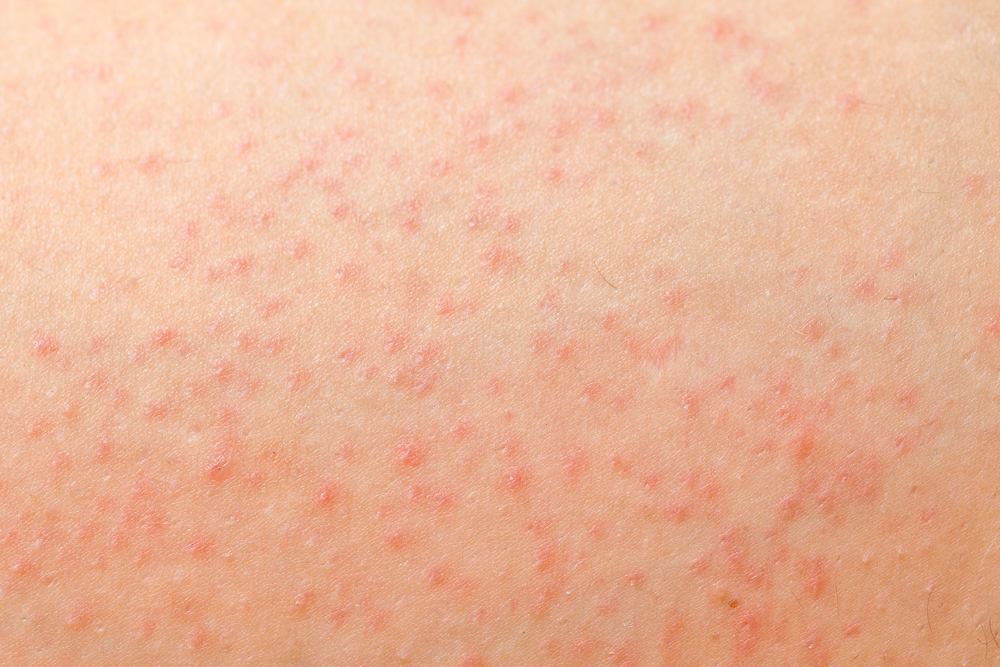
Folliculitis occurs when hair follicles become inflamed and infected, producing small red bumps or pus-filled pimples around the hairs. It can show up almost anywhere hair grows, including the scalp, beard area, legs, chest, and back.
Common triggers include shaving, tight clothing that rubs against the skin, heavy sweating, and soaking in poorly maintained hot tubs. A specific form known as hot tub folliculitis appears a day or two after exposure to contaminated water.
Mild folliculitis often clears on its own within a week or so with good hygiene and by avoiding the trigger. If the bumps are painful, spreading, recurring, or not improving, it’s time to have the area evaluated, since deeper infections can lead to boils or scarring.
4. Ringworm (Tinea)
Despite its unsettling name, ringworm has nothing to do with worms. It’s a fungal infection that creates a scaly, itchy rash, classically in the shape of a ring with a raised border and clearer skin in the center.
Ringworm spreads through skin-to-skin contact, contact with infected pets, or shared items like towels, hats, and gym mats. The same family of fungi causes athlete’s foot, which affects the skin between the toes, and jock itch, which appears in the groin area.
Most cases respond well to antifungal creams, though infections of the scalp or nails often require oral medication. Because ringworm can mimic other conditions like eczema or psoriasis, a professional evaluation is helpful when a rash doesn’t improve with over-the-counter treatment.
5. Herpes Simplex (Cold Sores)
Cold sores are caused by the herpes simplex virus and appear as clusters of small, fluid-filled blisters, most often on or around the lips. Many people feel a telltale tingling, itching, or burning sensation in the area a day or two before the blisters surface. Once you’ve been infected, the virus stays in your body and can reactivate during periods of stress, illness, sun exposure, or hormonal changes. Outbreaks are contagious from the first tingle until the sores have fully healed.
While there is no cure for the virus itself, antiviral medications can shorten outbreaks and reduce how often they occur. Starting treatment at the very first sign of tingling tends to produce the best results.
Shelby Saltsman, PA-C, a skilled provider at Moy-Fincher-Chipps, shares how patients can take control of recurring outbreaks:
“Many patients assume cold sores are just something they have to live with, but that simply isn’t true anymore. With the antiviral options available today, we can dramatically shorten outbreaks and, for patients with frequent recurrences, often prevent them altogether with suppressive therapy. I always encourage patients to pay attention to that early tingling sensation, because treatment works best when it starts before the blisters ever appear. Getting ahead of outbreaks also helps protect the skin from the irritation and post-inflammatory changes that repeated flare-ups can cause.”

6. Shingles (Herpes Zoster)
Shingles is caused by the same virus responsible for chickenpox, which stays dormant in the body for decades and can reactivate later in life. It typically begins with pain, burning, or tingling on one side of the body, followed by a stripe or band of blisters in that same area.
The rash most often wraps around one side of the torso, but it can also affect the face, neck, or scalp. Antiviral treatment is most effective when started within 72 hours of the rash appearing.
When to See a Cosmetic Surgeon About a Skin Infection
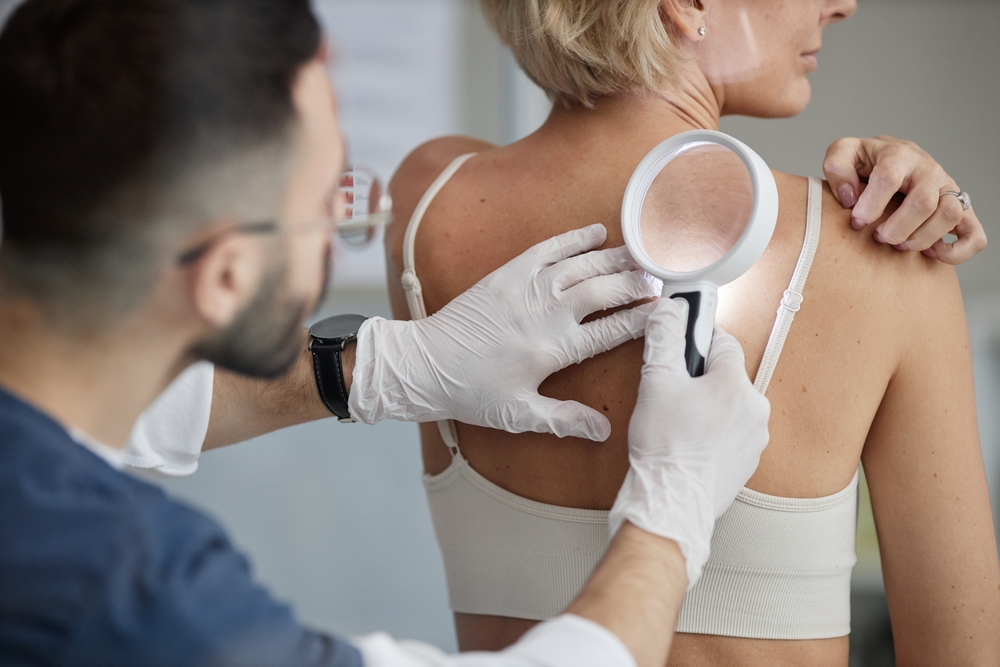
Some skin infections clear up with simple home care, but others need professional attention. Certain warning signs should always prompt a visit, regardless of which infection you suspect.
Seek care promptly if you notice any of the following:
- Redness that is spreading or streaking outward
- Fever or chills along with a skin change
- Severe pain or rapidly worsening symptoms
- Sores or rashes that aren’t healing after a week or two
- Any rash or blisters near the eye
- Infections that keep coming back
During your appointment, your provider will examine the area, sometimes take a sample for testing, and recommend a treatment plan tailored to the specific infection. Most patients are surprised by how quickly the right treatment brings relief.
If you have questions about your skin, schedule an appointment at Moy-Fincher-Chipps today!